Skyblog · International
Panama City and the Panama Canal: How to Plan a First Visit
Watch ships rise through the Miraflores Locks, walk a World Heritage old town and time it for the dry season: a first-timer's guide to Panama City.
Published November 15, 2026
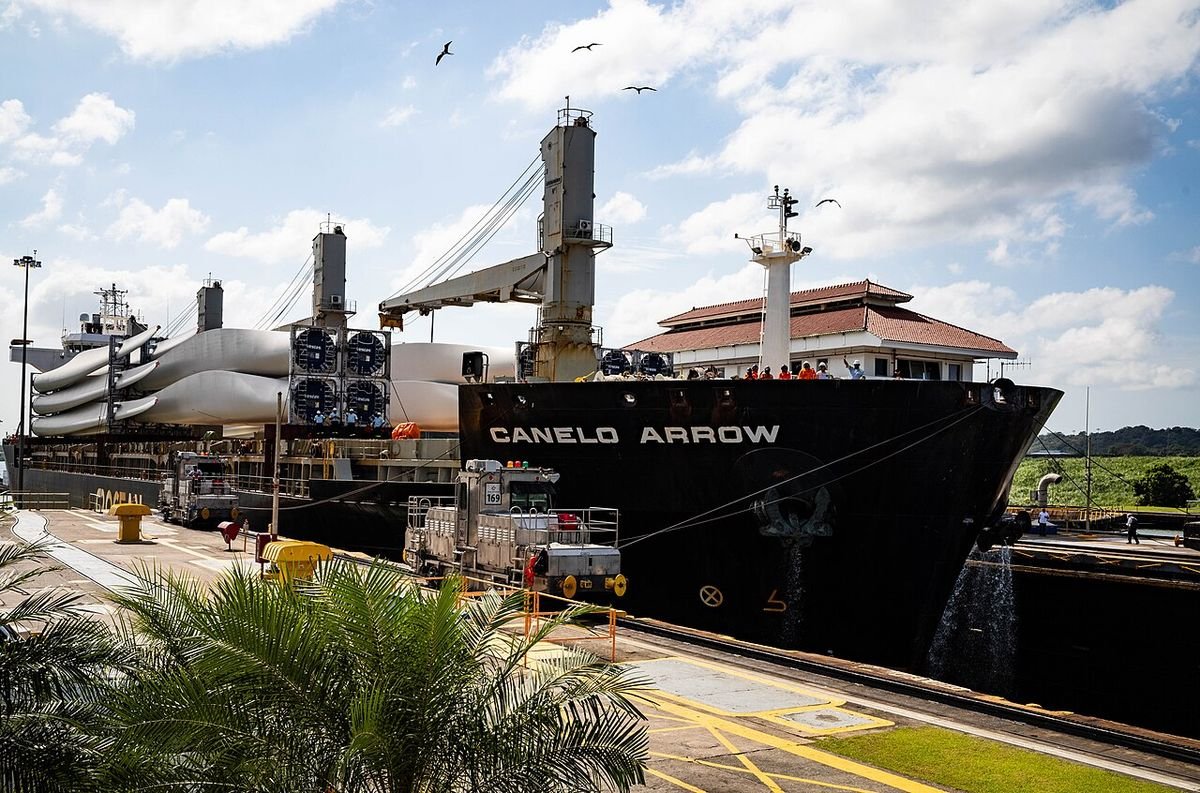
Few capitals let you watch world trade happen from a viewing terrace. In Panama City, an ocean-going ship can glide past you, lifted by nothing but water, on its way between the Pacific and the Atlantic. Between 13,000 and 14,000 ships use the Panama Canal each year, according to the Panama Canal Authority, and the canal operates 24 hours a day, 365 days a year.
That alone would justify the trip. But Panama City also has two layers of history recognized by UNESCO: the ruins of the original city and the historic district that grew up later. Add a dry season that lines up with the North American winter, and it is one of the most rewarding long weekends in the Americas.
How the canal works, in two minutes
Knowing a little about the engineering makes a visit far more exciting. The canal runs about 80 km between the Atlantic and Pacific oceans, through one of the narrowest parts of the continent. It does not cut through at sea level. Instead, a system of locks works like a water elevator, raising ships from the ocean to Gatun Lake, 26 meters above sea level, and lowering them on the other side.
Each set of the original locks is named after the town where it was built: Gatún on the Atlantic side, and Pedro Miguel and Miraflores on the Pacific side. The chambers are 33.53 meters wide and 304.8 meters long, and the water that fills them flows from Gatun Lake by gravity. Between the two sides lies the Culebra Cut, the narrowest stretch of the canal, about 13.7 km long and carved through rock in the Central Cordillera.
On the Pacific side, the climb is split between Pedro Miguel, with one step, and Miraflores, with two. That makes Miraflores, the set closest to Panama City, the best place to watch a ship change level right in front of you. Behind the scenes, about 9,000 workers keep the canal running for more than 180 maritime routes that connect 1,920 ports in 170 countries.
Watching ships at the Miraflores Locks
The canal's official visitor program runs a visitor center at Miraflores, with viewing areas overlooking the lock chambers. From there you can watch vessels enter, see the gates close and follow the water level as the ship rises or sinks.
Opening hours, ticket types and the busiest viewing times change, so check the official visitor site of the Panama Canal before you go rather than relying on older guides. If you cannot make it in person, the Panama Canal Authority also streams live webcams of the Miraflores, Gatún, Pedro Miguel, Cocolí and Agua Clara locks, a fun way to preview the experience before your trip.
The expanded canal: a third lane for giant ships
The canal you see today is bigger than the original. After a construction program from 2009 to 2016, the Panama Canal Authority opened the expanded canal on June 26, 2016, adding a third shipping lane with two new sets of locks: Cocolí on the Pacific side and Agua Clara on the Atlantic side.
These Neopanamax locks are wider, longer and deeper than the originals: 427 meters long, 55 meters wide and 18.3 meters deep. They handle ships too large for the old locks, including container vessels with a capacity of more than 14,000 TEU (twenty-foot container units), as well as gas tankers and cruise ships. Container ships account for more than half of the transits through the expanded locks.
Two cities in one: Panamá Viejo and the historic district
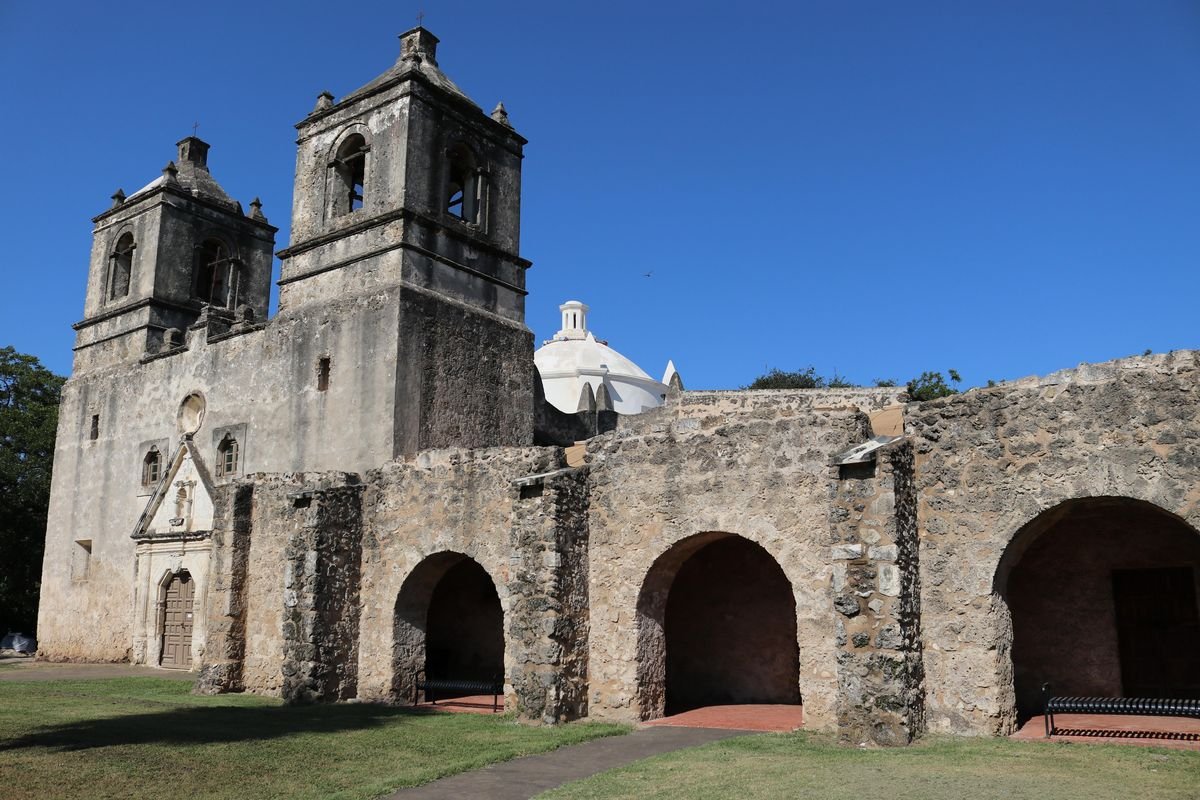
Panama City's past is spread across two sites that UNESCO lists together. In 1997, the World Heritage Committee inscribed the Historic District of Panamá, together with the Salón Bolívar. In 2003, the listing was extended to include the archaeological site of Panamá Viejo, and the property took its current name: Archaeological Site of Panamá Viejo and Historic District of Panamá.
Plan time for both. Panamá Viejo preserves the archaeological remains of the original city, while the historic district, often called Casco Antiguo, is a compact neighborhood best explored slowly on foot. Visiting both on the same day shows how the city moved and grew over the centuries.
When to go and a simple three-day plan
The dry season, roughly December through April, brings the sunniest skies to the Pacific coast and Panama City. It is also the busiest time to visit, so book early if you are traveling over the holidays. The rest of the year is the wet season, when rain is more frequent.
Day one: settle in and spend the afternoon in Casco Antiguo. Day two: head to the Miraflores Locks in the morning, then visit Panamá Viejo in the afternoon. Day three: keep it flexible, with a return to the canal if a large ship is scheduled, or simply enjoy the city by the water before your evening flight home.
Frequently asked questions
Where is the best place to see the Panama Canal from Panama City?
The Miraflores Locks on the Pacific side, the set of locks closest to Panama City. The canal's official visitor center there has viewing areas over the chambers, where you can watch ships rise or descend in two steps. Check the official visitor site for current hours and tickets.
How long is the Panama Canal?
About 80 km between the Atlantic and Pacific oceans. Ships are raised by locks to Gatun Lake, 26 meters above sea level, cross the Culebra Cut and are lowered back to sea level on the other side.
What is the best time of year to visit Panama City?
The dry season, roughly December through April, brings the sunniest skies to Panama City and the Pacific coast. It is also the busiest season, so book early, especially around the holidays.
How many days do you need in Panama City?
Three days works well for a first visit: one for the Miraflores Locks, one for the historic district and Panamá Viejo, and one flexible day. Two days is enough if you focus on the canal and Casco Antiguo.
Is Panama City's old town a UNESCO World Heritage Site?
Yes. The Historic District of Panamá, with the Salón Bolívar, was inscribed in 1997, and the listing was extended in 2003 to include the archaeological site of Panamá Viejo. Together they form the Archaeological Site of Panamá Viejo and Historic District of Panamá.
Sources
- Learn about the history of the Panama Canal: How does it work · Panama Canal Authority
- Discover the Expanded Canal · Panama Canal Authority
- Archaeological Site of Panamá Viejo and Historic District of Panamá · UNESCO World Heritage Centre
- Miraflores Visitor Center · Visit the Panama Canal (official visitor site)
- Best time to visit Panama · Lonely Planet