Skyblog · International
Lisbon for First-Timers: Belém, Alfama and the City of Seven Hills
Riverside monuments, fado in the old quarter, hilltop viewpoints and a day trip to Sintra: a practical first trip to Lisbon, Portugal, for U.S. travelers.
Published November 11, 2026
Lisbon is a city of light and hills. Built on slopes above the wide Tagus River, it rewards every climb with a view: red rooftops, church domes and the river shining all the way to the bridge. It is relaxed, walkable and full of history, and for many U.S. travelers it is the easiest and most welcoming introduction to Europe.
A first trip works best in four parts: the monuments of Belém, the old quarter of Alfama, the central neighborhoods of Baixa and Chiado, and a day in the hills of Sintra.
Belém: the age of discovery by the river
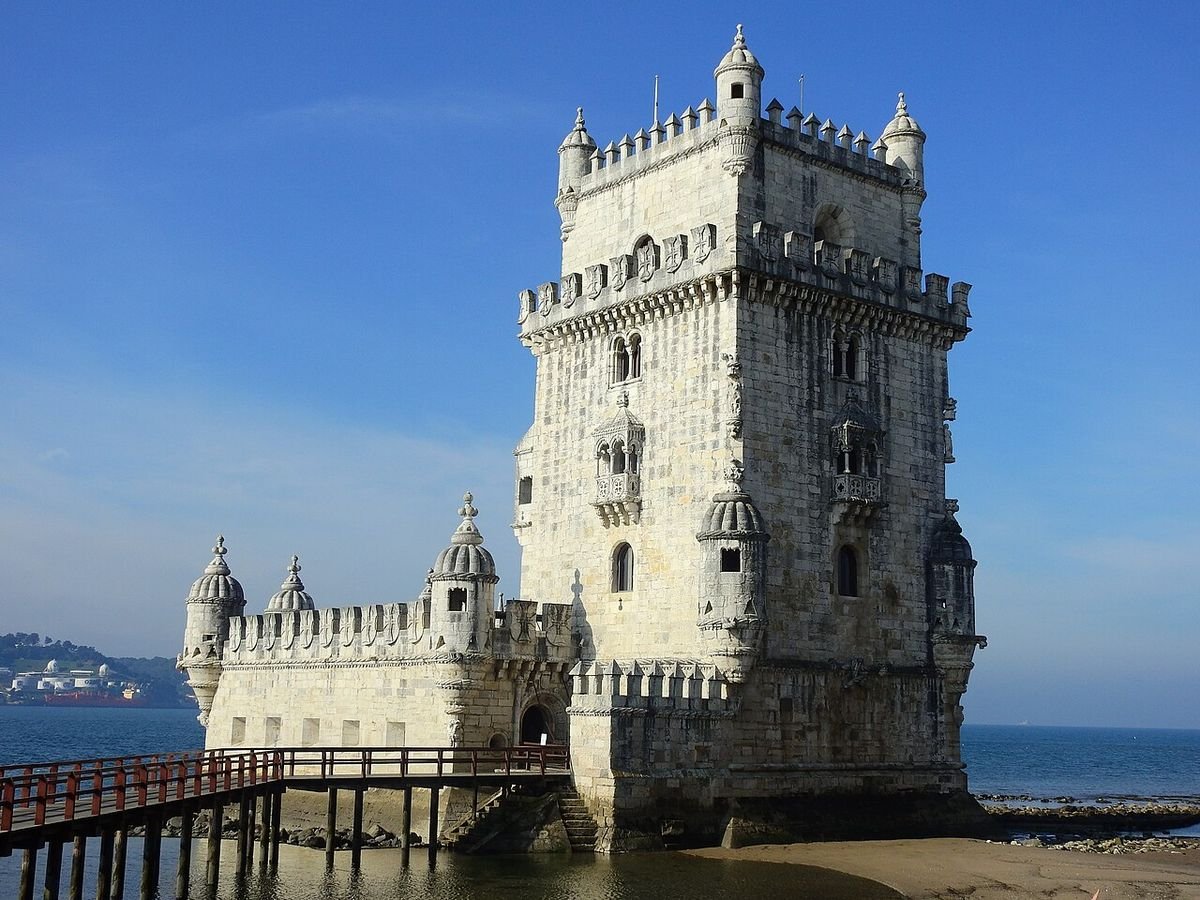
West of the center, the riverside district of Belém is where Portugal celebrated its age of maritime exploration. The Jerónimos Monastery, with its intricately carved stone cloister in the Portuguese Manueline style, and the Belém Tower, a small fortress that once guarded the entrance to the port, are recognized together by UNESCO as a World Heritage Site.
Arrive early, because both are popular, and leave time for the riverside promenade and the Monument to the Discoveries nearby. Belém is also home to one of Lisbon's most famous sweets: the custard tart known as pastel de nata, which a local bakery has been making here since the nineteenth century. Have one warm, with cinnamon on top.
Alfama, fado and the viewpoints
Alfama is Lisbon's oldest neighborhood, a maze of stairways, laundry lines and tiny squares tumbling down the hill below the São Jorge Castle. Get lost on purpose, then climb to the viewpoints of Santa Luzia and Portas do Sol for the classic panorama over the rooftops to the river.
In the evening, Alfama is the place to hear fado, the soulful urban song that UNESCO lists as part of the intangible cultural heritage of humanity. Small restaurants and fado houses host performances most nights, and many ask for silence while the singer performs, which is part of the magic.
Trams, Baixa and Chiado
The yellow trams are part of the city's identity, and the historic route of Tram 28 winds through several of the most picturesque neighborhoods, including Graça, Alfama, Baixa and Chiado. It is also very popular, so ride early in the morning or late in the day, and keep an eye on your belongings in crowded cars.
Down by the river, Baixa was rebuilt on a grand grid after the earthquake of 1755, and its streets lead to the vast Praça do Comércio, open to the water. Up the hill, Chiado is the elegant district of cafés, bookshops and theaters. Lisbon's historic funiculars and street elevators help with the steepest climbs.
Lisbon is also a city for eating well without fuss. Neighborhood tascas serve grilled fish, soups and simple plates at lunchtime, and the big market hall at Cais do Sodré gathers many of the city's cooks under one roof. Dinner tends to start later than in the United States, so an afternoon coffee and a pastry at a corner café is the local way to bridge the gap.
A day in Sintra
Trains from Lisbon's Rossio station reach Sintra in under an hour, and the town and its surroundings, a landscape of palaces, gardens and forested hills, are another UNESCO World Heritage Site. The colorful Pena Palace and the Moorish Castle on the ridge above town are the headliners. Book palace tickets in advance in high season and start early, because the hills fill with visitors by midday.
Plan your trip
Lisbon Humberto Delgado Airport sits close to the city and is linked to it by the Metro's red line, so you can be in the center within about half an hour of landing. Spring and autumn offer warm days and cooler nights; summer is hot, dry and busy, and winter is mild and rainy at times.
Portugal is part of the Schengen Area, and the European Union has been introducing new digital border systems for non-EU visitors. Rules and timelines change, so check the EU's official travel site and the U.S. State Department's country page for Portugal before you fly.
For the flight itself, many travelers from the East Coast find that an overnight departure lands them in Lisbon in the morning. A light first day, with a walk by the river, an early dinner and a full night of sleep, makes the rest of the trip far more enjoyable than trying to see everything on arrival.
Frequently asked questions
How many days do you need in Lisbon?
Four days is a comfortable first visit: one for Belém, one for Alfama and the castle, one for Baixa and Chiado and one for a day trip to Sintra.
How do you get from Lisbon Airport to the city center?
Lisbon Humberto Delgado Airport (LIS) is close to the city and connected by the Metro's red line, as well as by taxi and ride share. The center is about half an hour away.
Is Tram 28 worth it?
Yes, for the views of Graça, Alfama, Baixa and Chiado, but it is crowded at midday. Ride early in the morning or in the evening, and keep an eye on your belongings.
What is the best time to visit Lisbon?
Spring and autumn, when days are warm, nights are cooler and crowds are lighter than in summer.
What documents do U.S. travelers need for Portugal?
A valid U.S. passport. Portugal is in the Schengen Area, where EU entry systems are changing, so check the EU's official travel site and the U.S. State Department's page for Portugal before you go.
Sources
- Monastery of the Hieronymites and Tower of Belém in Lisbon · UNESCO World Heritage Centre
- Cultural Landscape of Sintra · UNESCO World Heritage Centre
- Fado, urban popular song of Portugal · UNESCO Intangible Cultural Heritage
- Visit Lisboa, official tourism website · Turismo de Lisboa
- Travel to Europe: entry requirements · European Union