Skyblog · Special places
A Weekend on the National Mall: Free Museums and Monuments in Washington, DC
Free museums, memorials lit up at night and the view from the Washington Monument: how to plan a smart weekend on the National Mall in Washington, DC.
Published November 11, 2026
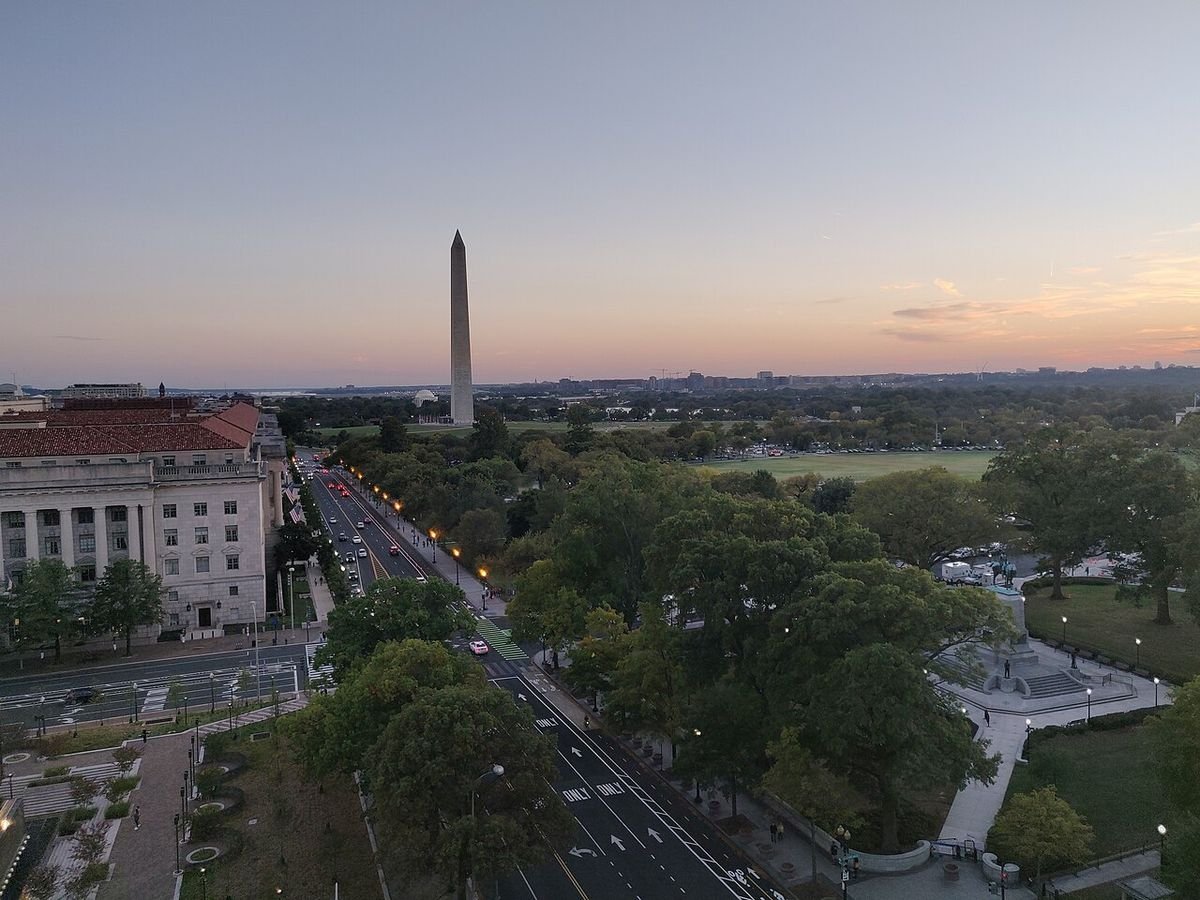
Few places pack as much into a single walk as the National Mall. In about three kilometers between the Capitol and the Lincoln Memorial you pass world-class museums, memorials that mark the country's defining moments and some of the most recognizable views in the United States. Better still, much of it is free.
A weekend is enough to see the highlights if you plan around three things: which museums matter most to you, how to get Washington Monument tickets and when to see the memorials, which are at their most moving after dark.
Getting there and getting around
Washington is served by three major airports. Ronald Reagan Washington National Airport is the closest to the city and is connected to the Metro, Washington Dulles International Airport is linked to the city by Metro's Silver Line, and Baltimore/Washington International Thurgood Marshall Airport is a short train ride away. Searching all three at once often turns up more options.
Once you arrive, you rarely need a car. The Mall is best explored on foot, and the Metro covers the rest of the city. The Smithsonian station opens directly onto the Mall, and comfortable shoes matter more than any other piece of gear.
The museums: free, world-class and many
The Smithsonian Institution runs a family of museums along the Mall, and admission to them is free. Favorites include the National Museum of Natural History, the National Air and Space Museum and the National Museum of American History. The National Museum of African American History and Culture is one of the most powerful museums in the country, and at busy times it uses free timed-entry passes, so check its website before you go.
Choose two or three museums a day at most. Each one can easily fill half a day, and museum fatigue is real. Mornings on weekdays are usually the calmest time to visit.
To make the most of a short visit, plan a loose route. One morning can cover Natural History and American History, which sit side by side; another can pair the Air and Space Museum with the National Gallery of Art, which is also free. Security screening at the entrances moves faster with small bags, and most museums have cafés, though a picnic on the Mall lawn is one of the simple pleasures of a sunny day in the capital.
The Washington Monument and the memorials
The view from the top of the Washington Monument takes in the entire Mall, the Capitol, the White House and the Potomac River. Everyone aged two and over needs a ticket. Advance tickets are released on Recreation.gov, typically 30 days ahead, for a small service charge, and a limited number of free same-day tickets are handed out each morning at the Washington Monument Lodge on 15th Street. They usually run out, so arrive early or book ahead.
Save the memorials for the evening. The Lincoln Memorial, the World War II Memorial, the Vietnam Veterans Memorial and the Korean War Veterans Memorial are lit at night, crowds thin out and the reflecting pools catch the light. A walk around the Tidal Basin to the Jefferson Memorial and the Martin Luther King Jr. Memorial makes a beautiful end to the day.
If the monument is booked out, the view from the steps of the Lincoln Memorial at sunset, looking down the Reflecting Pool toward the obelisk and the Capitol dome, is free, needs no ticket and is just as memorable. Park rangers are on duty at the main memorials and offer short talks that bring the stories behind the stone to life.
When to go
Spring is the city's showpiece season. The cherry trees around the Tidal Basin usually bloom in late March or early April, and the National Park Service publishes a bloom forecast each year. It is also the busiest time, so book flights and hotels early. Autumn brings comfortable temperatures and fewer school groups, and it is an excellent time for a museum weekend.
Summers are hot and humid, so plan museums for the afternoon and monuments for the morning and evening. Winter is quiet, and with indoor museums at the heart of the trip, it is a good season to find calmer crowds.
Frequently asked questions
Are the Smithsonian museums in Washington free?
Yes. Admission to the Smithsonian museums on the National Mall is free. Some, such as the National Museum of African American History and Culture, may require free timed-entry passes at busy times.
How do you get tickets for the Washington Monument?
Book advance tickets on Recreation.gov, usually released 30 days ahead for a small service charge, or pick up a free same-day ticket at the Washington Monument Lodge on 15th Street early in the morning while supplies last.
Which airport is best for visiting the National Mall?
Reagan National (DCA) is the closest and connected to the Metro. Dulles (IAD) and Baltimore/Washington (BWI) are also convenient, and comparing all three often gives more choice.
How many days do you need in Washington, DC?
Two days cover the main museums and memorials; three let you add a neighborhood, the Capitol area or a slower museum day.
When do the cherry blossoms bloom in Washington?
Usually in late March or early April. The National Park Service publishes a peak bloom forecast each year, and it is the busiest time to visit.
Sources
- National Mall and Memorial Parks · National Park Service
- Washington Monument: Fees and Passes · National Park Service
- Visit the Smithsonian · Smithsonian Institution
- Cherry Blossom Festival · National Park Service